How to play with your cat: the 10 minutes that change everything
Play is how indoor cats hunt. How to play like prey moves, how long to play each day, which toys work best and the one mistake most people make.
· 4 min read
Gentle nibbles, ambush attacks, a bite in the middle of petting: what each kind of cat bite means and simple ways to stop it without scolding.
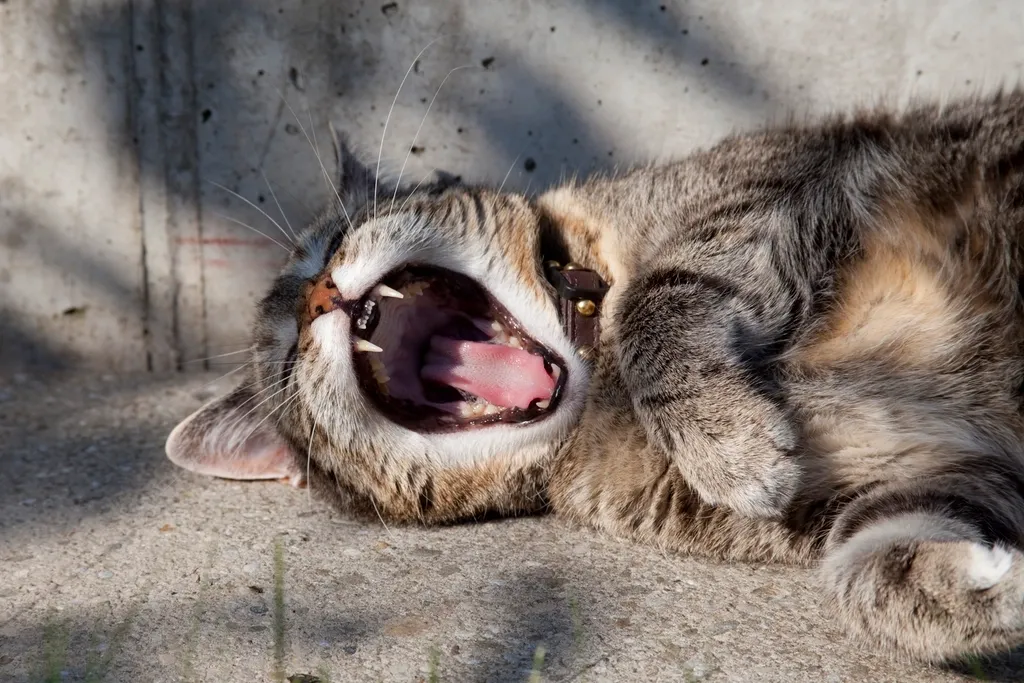
One minute your cat is purring on your lap, the next they've sunk their teeth into your hand. It feels personal, but it almost never is. Cats bite for a handful of clear reasons, and once you know which one you're dealing with, it's usually easy to fix.
Cats are hunters, and play is practice. If a cat grew up wrestling with human hands, or was taken from their littermates very young, they may never have learned how hard is too hard. Ankle ambushes and grabbing hands are a hunter with nothing better to hunt.
Many cats enjoy a few strokes and then suddenly bite. Vets call it petting-induced overstimulation. The warning signs come first: a flicking or thumping tail, skin twitching along the back, ears turning sideways, a sudden stillness. The bite is the last message, not the first.
Some cats give soft little nibbles while being cuddled or while grooming you. Cats groom each other with small bites too. These don't break the skin and usually come with purring. They're affection, cat style.
A scared cat bites to protect themselves, for example at the vet or when cornered. And a cat in pain may bite when you touch a sore spot. If a calm cat suddenly starts biting, or bites when you touch one particular area, book a vet visit.
Cat teeth are thin and sharp, and bites that break the skin can get infected. Wash the bite well, and see a doctor if it's deep, swollen or red.
Most biting cats aren't mean. They're bored, overstimulated or still learning the rules. A wand toy and a little body-language reading go a long way.
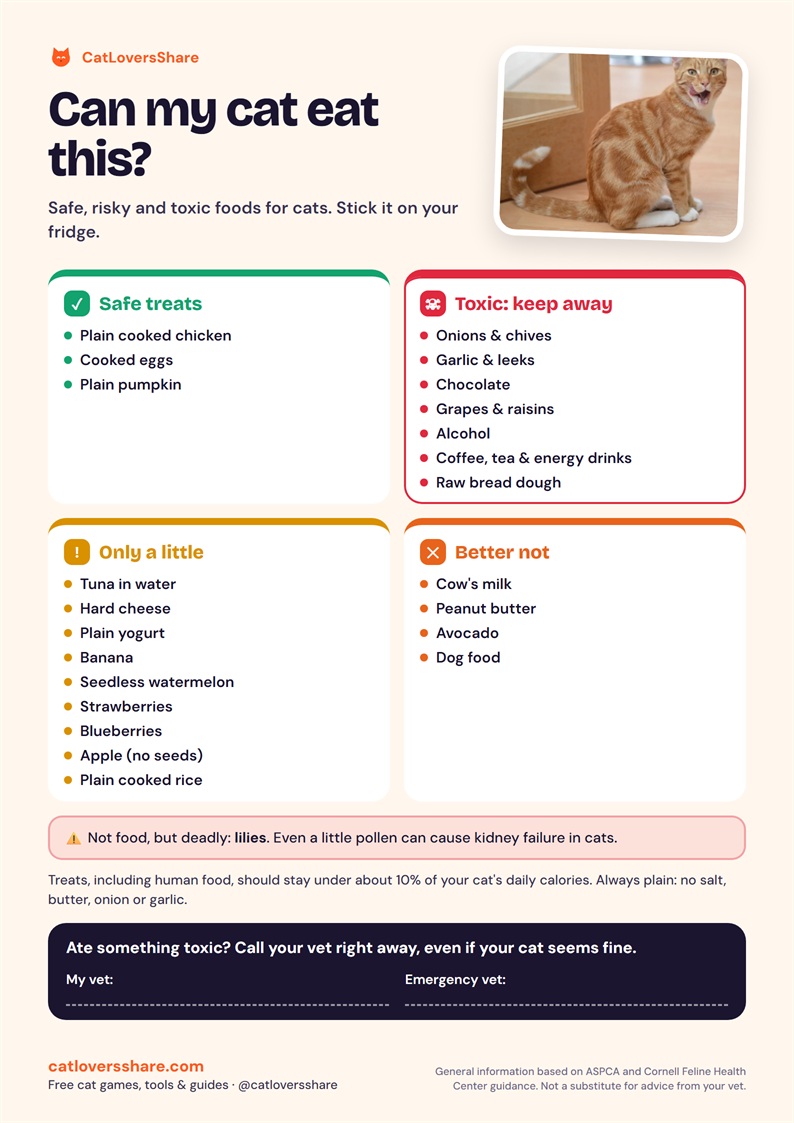
Free printable
Get our one-page list of safe, risky and toxic foods for cats, plus an occasional email with new cat tips, games and tools.
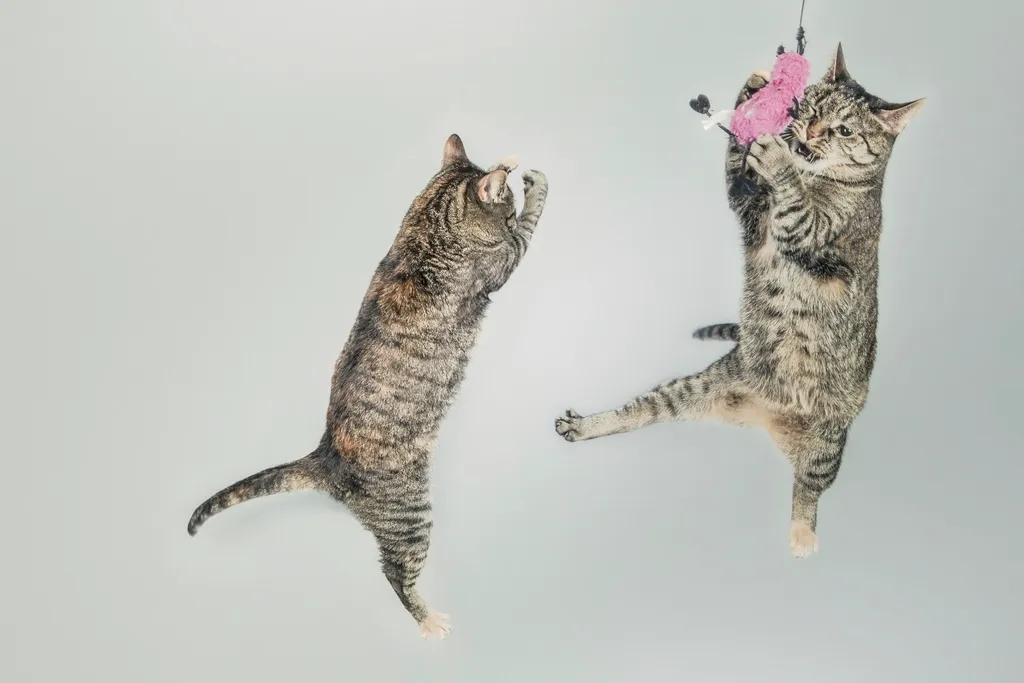
Play is how indoor cats hunt. How to play like prey moves, how long to play each day, which toys work best and the one mistake most people make.
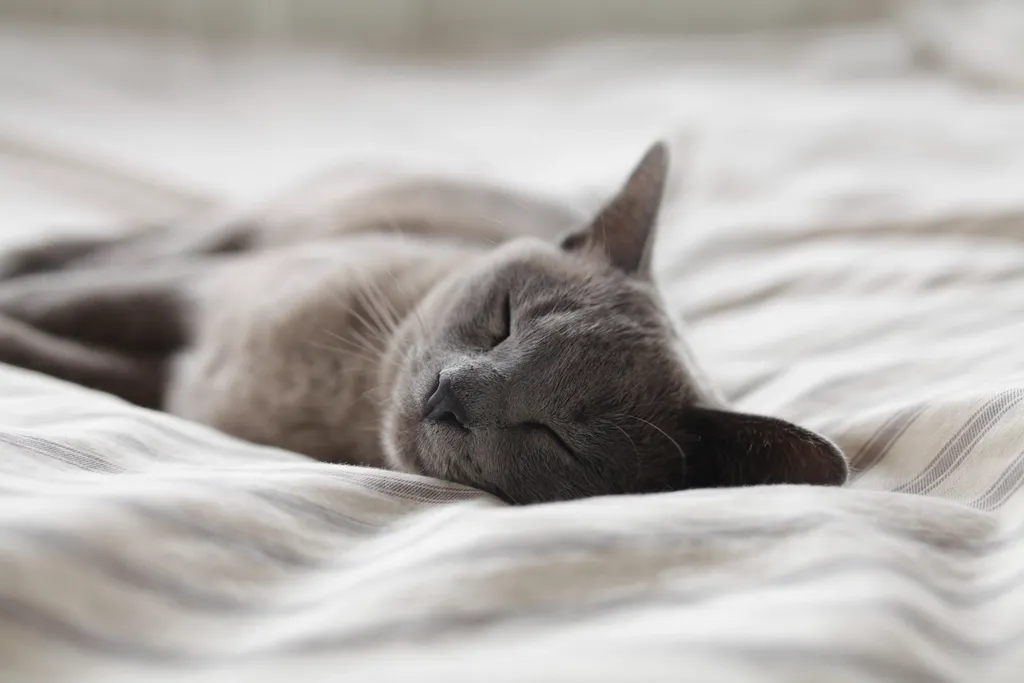
Most cats sleep 12 to 16 hours a day. Why they need so much rest, why the 5 a.m. zoomies happen, and which sleep changes mean a trip to the vet.
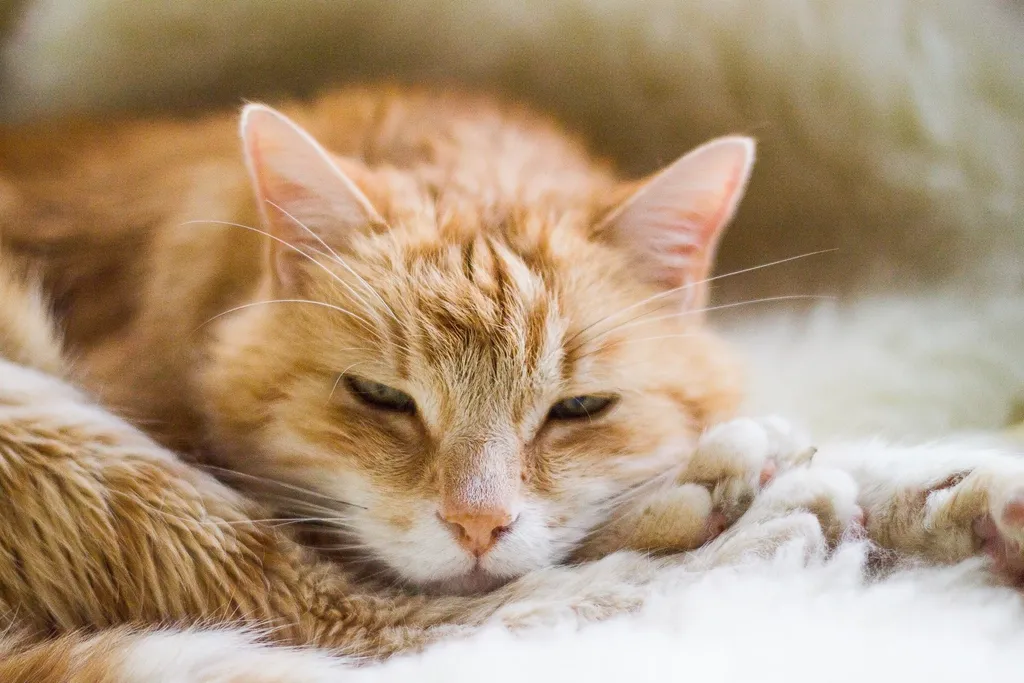
Cats don't wag or grin, so how do you know they're happy? Eight clear signs of a content cat, plus simple ways to make their days better.
Every day we share the funniest, sleepiest and most dramatic cats on Instagram. Come and say hi.